STUDENT SUPPORT SERVICES

OVERVIEW

At Amman Academy, we believe every child has the potential to thrive when they feel understood, supported, and valued.

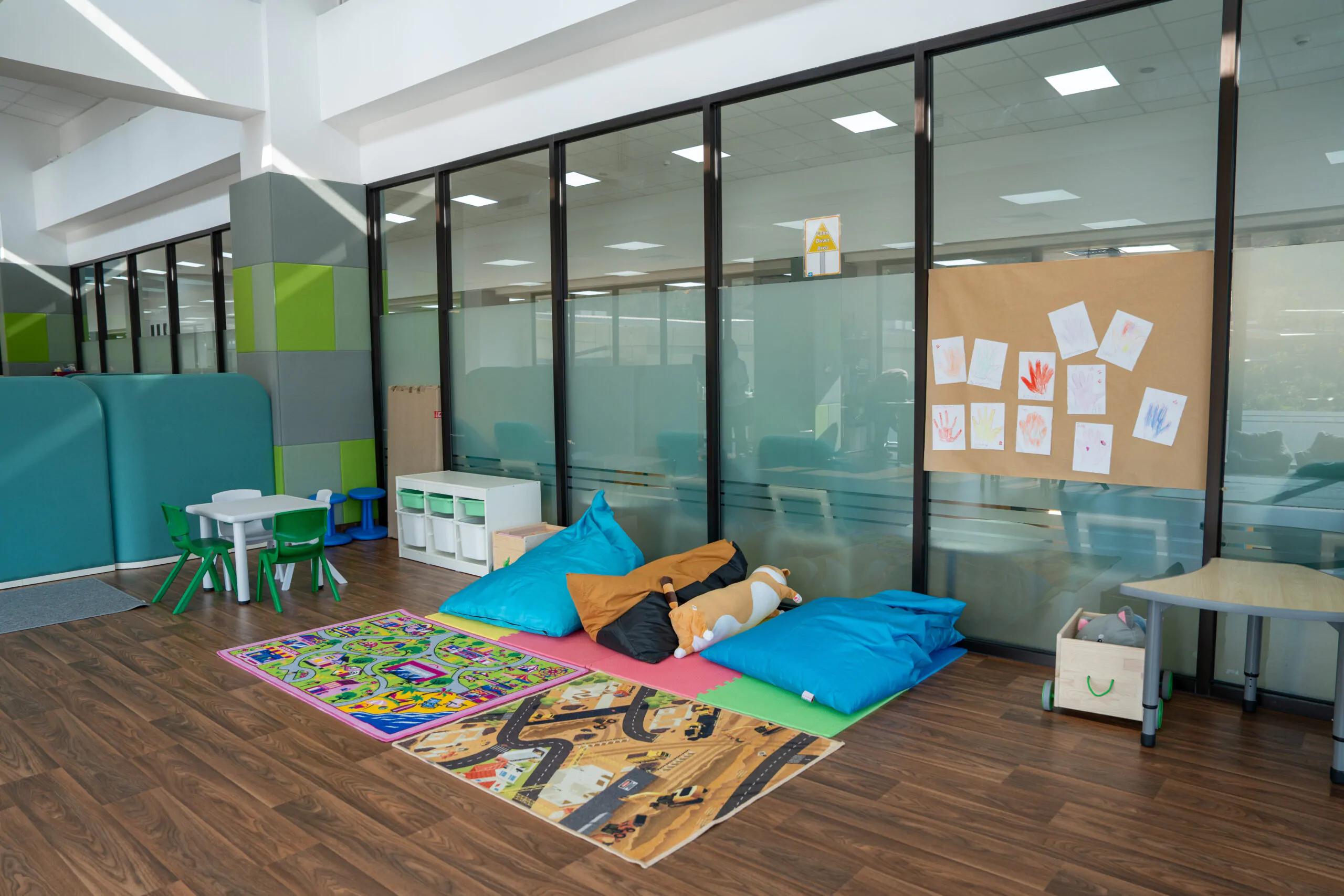
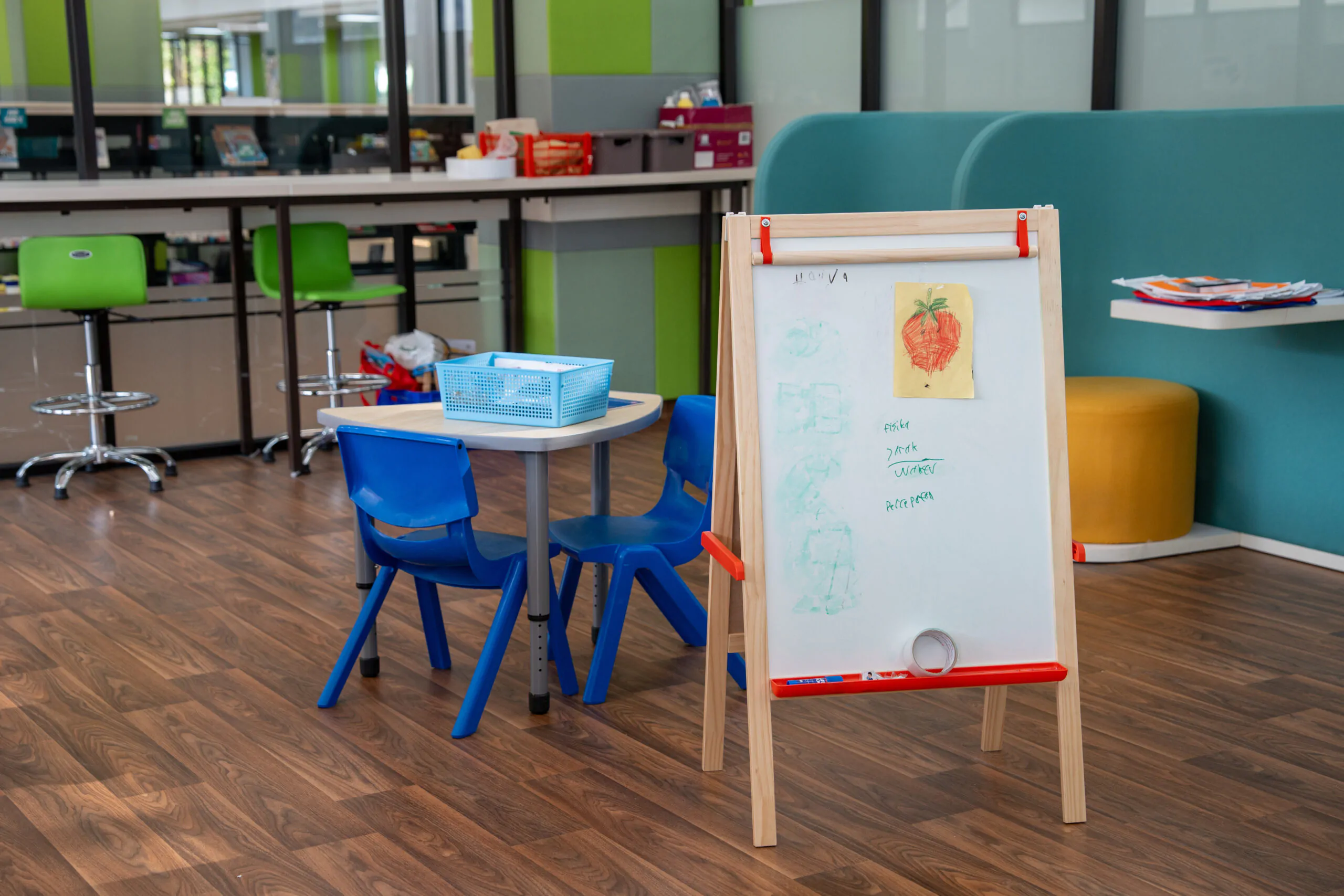
Our Student Support Team includes the Student Support Coordinator, School Counselors, SEN Teachers, Occupational Therapist, Behavioural Therapist, Learning Support staff, and Shadow Teachers. We work closely with students, teachers, and families to understand each child's needs, celebrate their strengths, and find ways to help them feel successful and included in school.


Through a collaborative, school-wide approach, we provide academic, social-emotional, behavioural, and therapeutic support to help students build confidence, develop independence, form meaningful relationships, and enjoy being part of their school community.
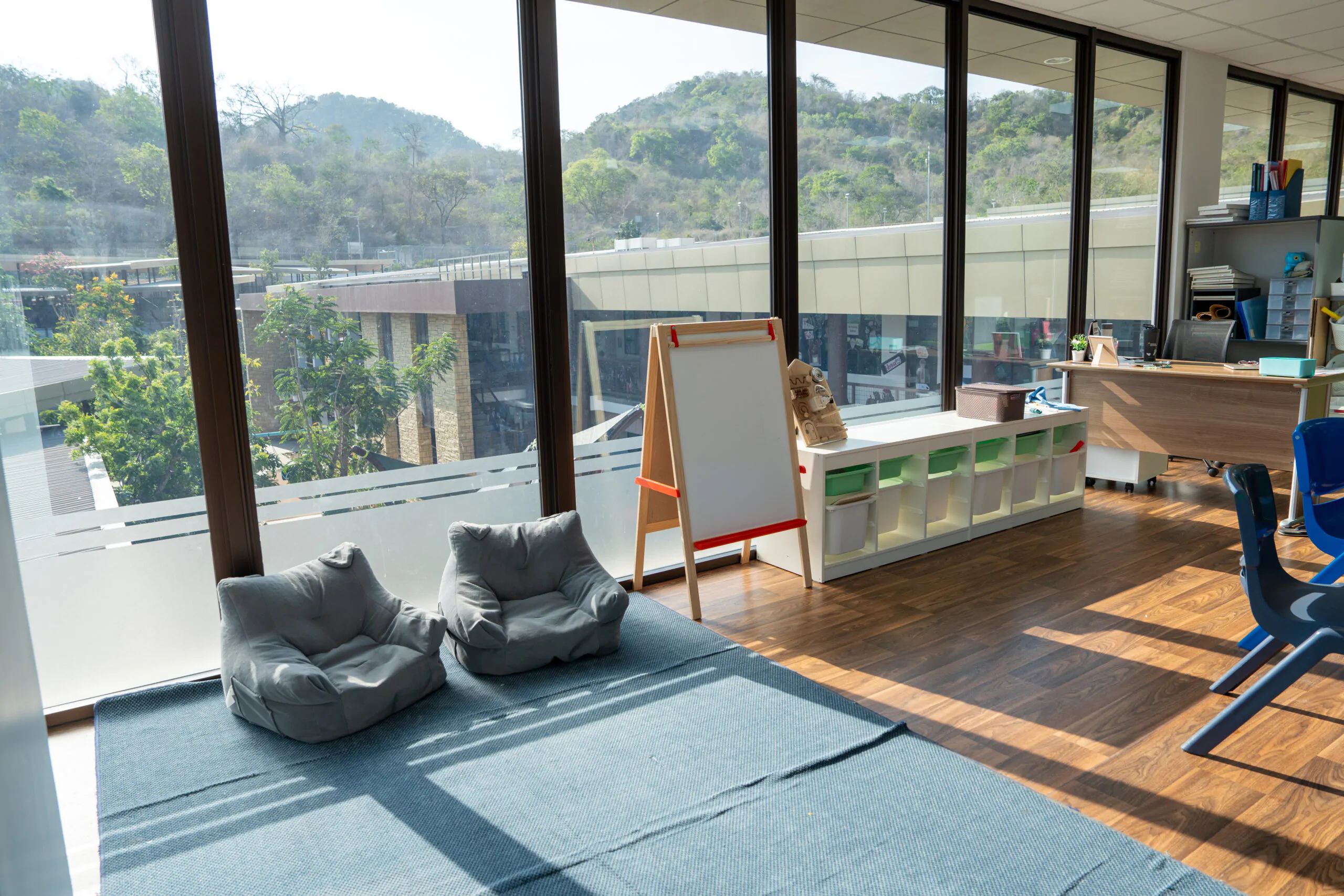
Our Support Framework

Amman Academy is developing and implementing a Multi-Tiered System of Support (MTSS) to provide a coordinated and responsive approach to student learning and wellbeing. This framework recognizes that students have different strengths and needs and that support may look different for each learner. MTSS focuses on early identification, inclusive classroom practices, and providing the right level of support at the right time. It allows us to respond to students' needs as they arise, whether through everyday classroom strategies, targeted interventions, or more individualized support.

We believe that support is most effective when it is part of everyday teaching and learning. Classroom teachers, the Student Support Team (SST), and families work together to create an environment where students feel included, understood, and supported.

Our approaches include

  • Inclusive Classroom Practices: Providing accessible learning opportunities, adapting instruction, and recognizing that students learn in different ways.
  • Early Identification: Noticing when a student may benefit from additional guidance and responding in a timely way.
  • Targeted Support: Providing additional strategies, small-group instruction, or individualized support based on a student’s needs.
  • Collaborative Planning: Bringing together classroom teachers, families, and the Student Support Team (SST) to develop appropriate goals and support strategies.
  • Ongoing Monitoring: Reviewing student progress and adjusting support as their skills, needs, and independence develop.

Through MTSS, we aim to create a school environment where every student has access to meaningful learning opportunities, receives the support they need, and is given the time and encouragement to grow.

Student Support Programs

Our inclusive approach promotes participation, confidence, positive relationships, and resilience. By integrating academic, social, emotional, and practical life skills, we support students in becoming capable, confident, and increasingly independent learners.

We recognize that every student learns and develops differently. Our programs are designed to respond to individual strengths and needs, providing the guidance, opportunities, and time students need to learn, grow, and participate meaningfully in school life.

Individualized Academic Support

Our Individualized Academic Support program is guided by an Individualized Education Plan (IEP), which provides a framework for setting meaningful learning goals and identifying the support each student needs to access the curriculum and make progress.

IEPs are developed collaboratively by classroom teachers, the Student Support Team (SST), and families. Where available, external assessments and recommendations from doctors, psychologists, and therapists help inform the plan. Support is tailored to each student and may include adapted learning materials, targeted instruction, classroom accommodations, and in-class assistance from shadow teachers when appropriate.

Support may focus on:

  • Literacy and numeracy development
  • Attention and organization
  • Classroom routines and learning skills

Our goal is to provide students with the right support, opportunities, and time to develop their skills, build confidence, and become increasingly independent learners.

This program supports students in developing the practical skills they need to participate more confidently and independently in all areas of school life. Through targeted sessions, hands-on activities, and classroom collaboration, students are guided in building skills that support their learning, daily routines, relationships, and personal responsibility.

Areas of focus may include:

  • Organization, attention, and following schedules
  • Communication and social interaction
  • Emotional regulation and coping strategies
  • Managing belongings and personal materials
  • Eating routines and mealtime independence
  • Making choices, solving problems, and completing daily tasks
  • Participating in group activities, presentations, and assemblies

Students are supported at their individual developmental levels, with opportunities to practise these skills in meaningful, everyday situations. We work closely with classroom teachers and families to help students use their developing skills throughout the school day. The goal is to build confidence and gradually increase independence, reducing adult support as students become more capable.

 
Individualized Academic Support

The Senior School SEN Program provides individualized academic support that enables students to engage in learning in meaningful and practical ways.

Students receive functional literacy and numeracy instruction through task-based, small-group, or one-to-one support, alongside differentiated classroom accommodations and assistive technology as needed. Support may include Individualized Education Plans (IEPs) and in-class assistance from shadow teachers when appropriate.

IEPs are developed collaboratively by classroom teachers, the Student Support Team (SST), and families. Where available, external assessments and recommendations from doctors, psychologists, and therapists help inform each student’s learning goals and support strategies.


A key component of the program prepares students for greater independence beyond school. Students have opportunities to develop practical skills and take on responsibilities that help prepare them for adult life and future pathways.

Students develop:

  • Self-management and personal responsibility
  • Independent living skills
  • Communication and social skills for everyday situations
  • Skills and experiences to support post-school pathways

Through vocational exposure and school-based internships, students practise real-life work routines in guided environments. They learn to organize tasks, follow instructions, complete responsibilities, and communicate appropriately in workplace settings.

These experiences build confidence, resilience, and readiness for future pathways.

Counselling

Our SEL Counselor supports students across Junior and Senior School in developing the social-emotional skills they need to build positive relationships, manage challenges, and feel confident in themselves and their learning.

Counseling focuses on:

  • Self-awareness and emotional regulation
  • Positive relationships and communication
  • Conflict resolution and problem-solving
  • Resilience and coping strategies
  • Self-advocacy and personal responsibility
  • Developing the skills connected to the IB Learner Profile and Approaches to Learning (ATL)

Through preventative SEL lessons, small-group sessions, individual support, and collaboration with teachers and families, students are encouraged to understand themselves, develop empathy, and navigate everyday challenges.

Our University Counselors support Senior School students as they explore their future pathways and prepare for life beyond Amman Academy.

Guidance includes:

  • Career exploration and pathway planning
  • Exploring global university options
  • Understanding university requirements and application timelines
  • Individual student guidance and parent consultations
  • University application and decision-making support
  • Career Day coordination and university workshops

Our goal is to help students make informed decisions about their futures and feel prepared for the opportunities and challenges beyond school.

Occupational Therapy & Behaviour Therapy

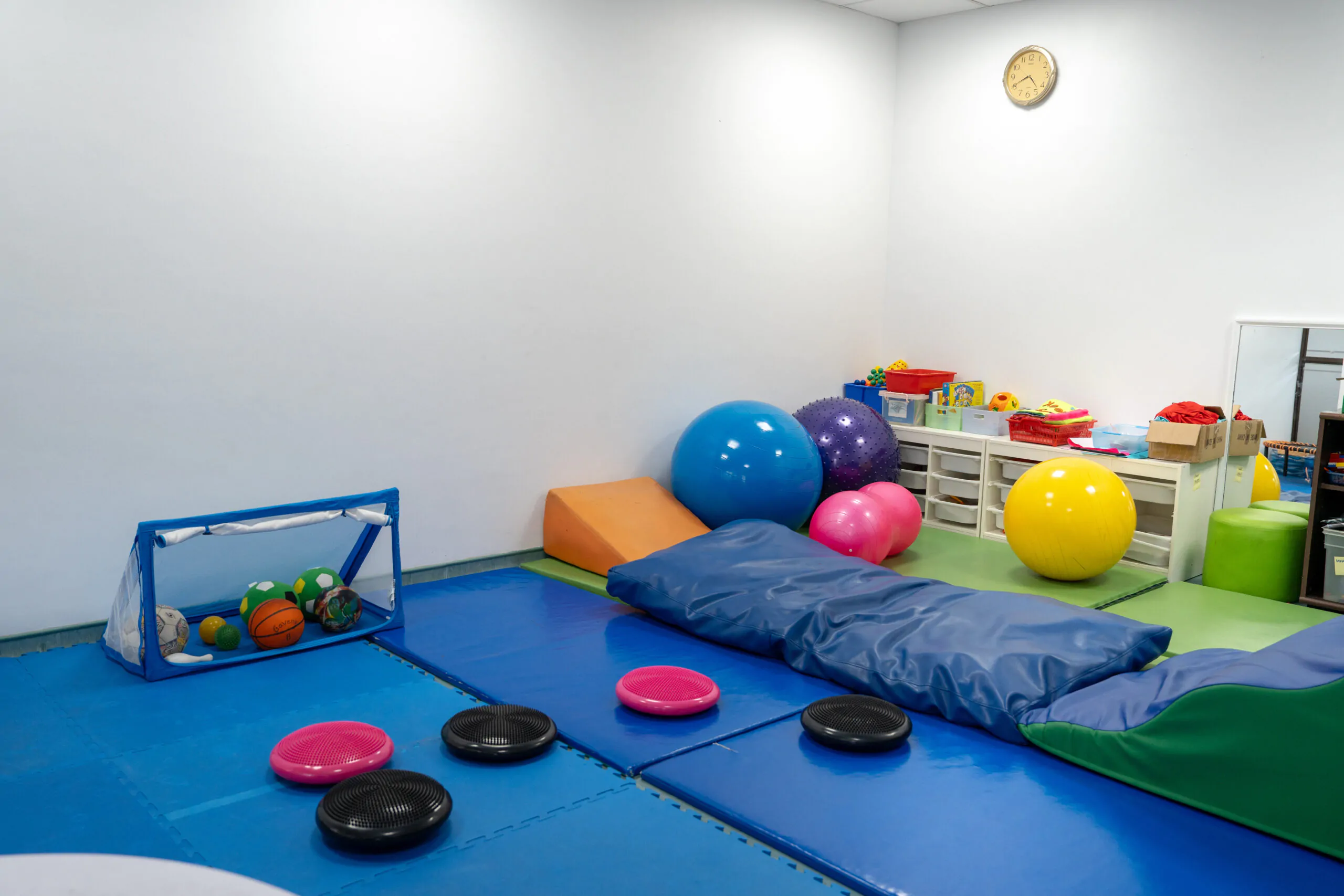
Occupational Therapy supports students in developing the physical, sensory, and functional skills they need to participate more independently in school activities and daily routines.

Areas of focus may include:

  • Fine and gross motor skills
  • Sensory processing and self-regulation
  • Handwriting and coordination
  • Attention and readiness for learning
  • Independence in everyday activities

Behaviour Therapy supports students in understanding and developing the skills they need to manage emotions, communicate their needs, and participate successfully in learning and social situations. Rather than simply focusing on changing behaviours, therapy aims to understand the reasons behind them and teach positive, meaningful strategies that support each student’s development.

Areas of focus may include:

  • Emotional regulation and coping strategies
  • Communication and social interaction
  • Understanding and developing positive behaviours
  • Building independence and functional skills
  • Managing transitions and everyday challenges

Both services are provided within the school environment and work alongside classroom teachers and families to help students apply their developing skills throughout the school day.

Parent Resources

We encourage families to explore trusted resources for information, guidance, and practical strategies to support their children's learning, development, and wellbeing. The following websites offer information for parents of children of different ages and with a range of learning and developmental needs.

Child Development, Learning & Additional Needs

Parenting & Digital Wellbeing

CONTACT US!

To learn more about our services or discuss your child’s needs, please contact our Student Support Team (sst@ammanacademy.sch.id)

We are committed to partnering with families to ensure every student feels valued, supported, and capable of success.